Double glazing
Two panes with a sealed, gas-filled cavity and a low-emissivity coating that reflects heat back into the room. A warm-edge spacer keeps the edges warmer and reduces condensation.
Standard choiceGlazing affects warmth, noise, security and how your home looks from the street. We'll help you choose glass that performs and suits the character of the property.
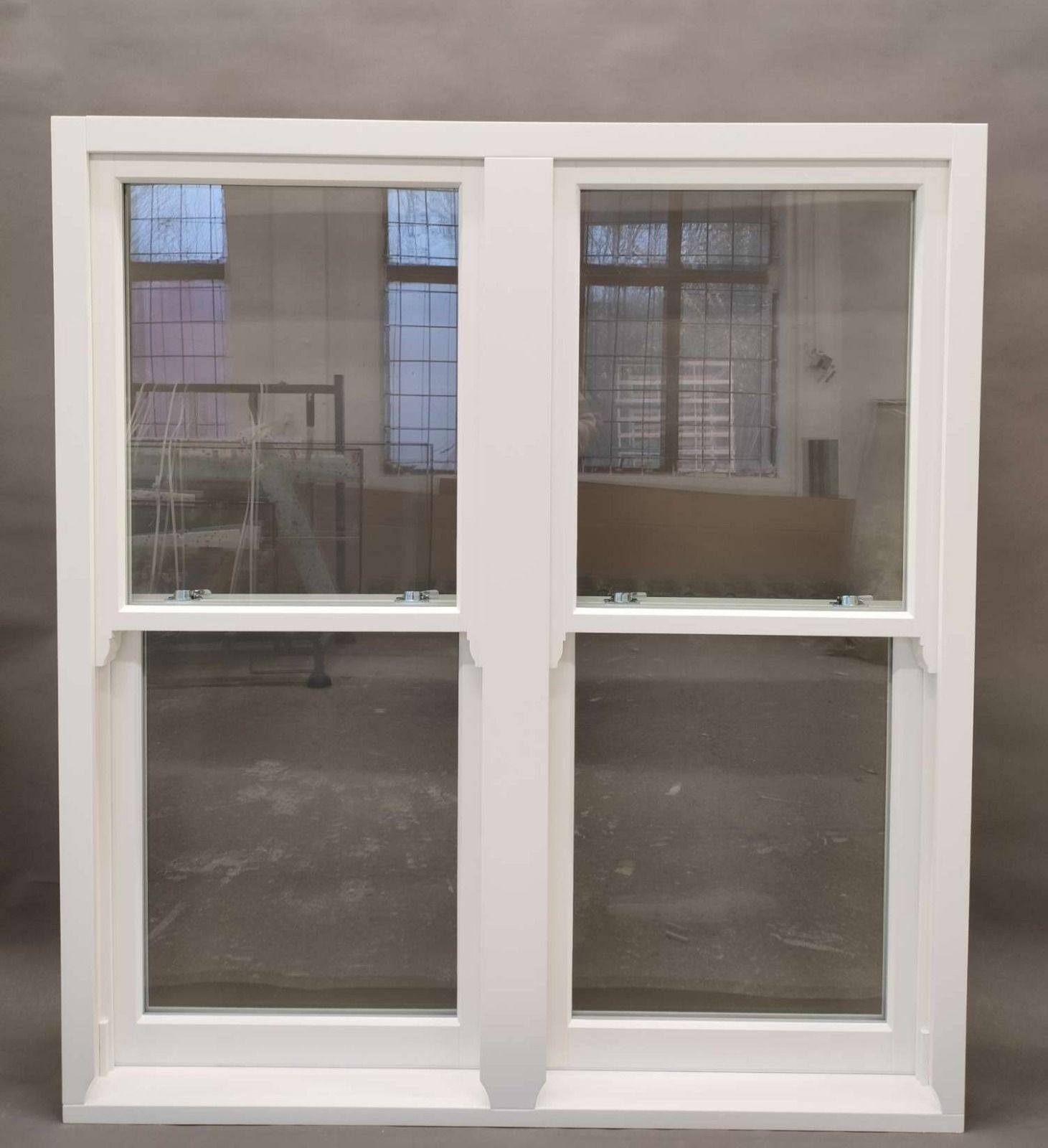
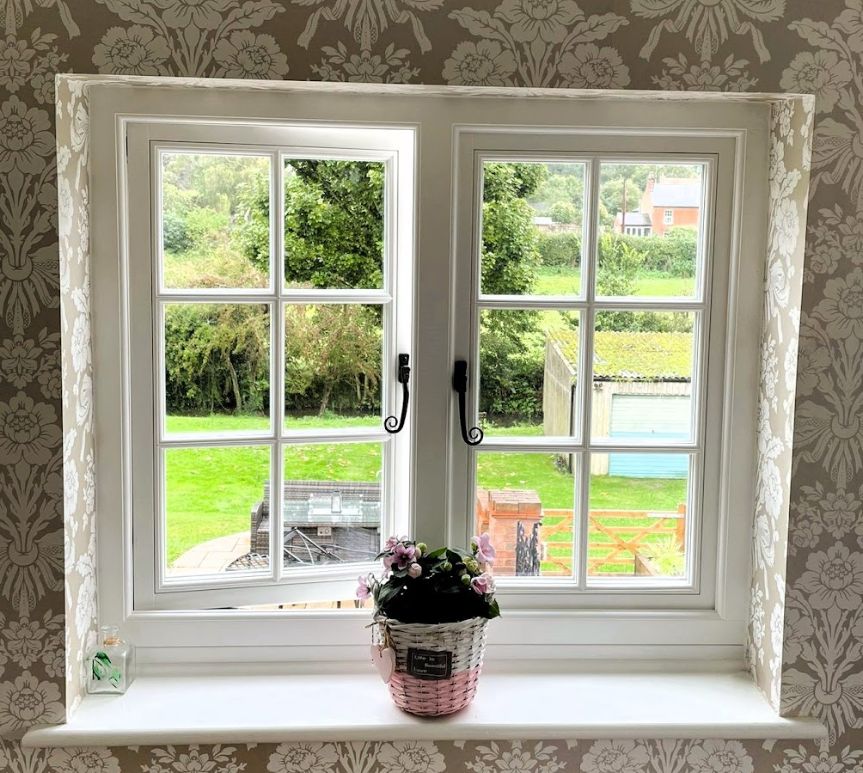
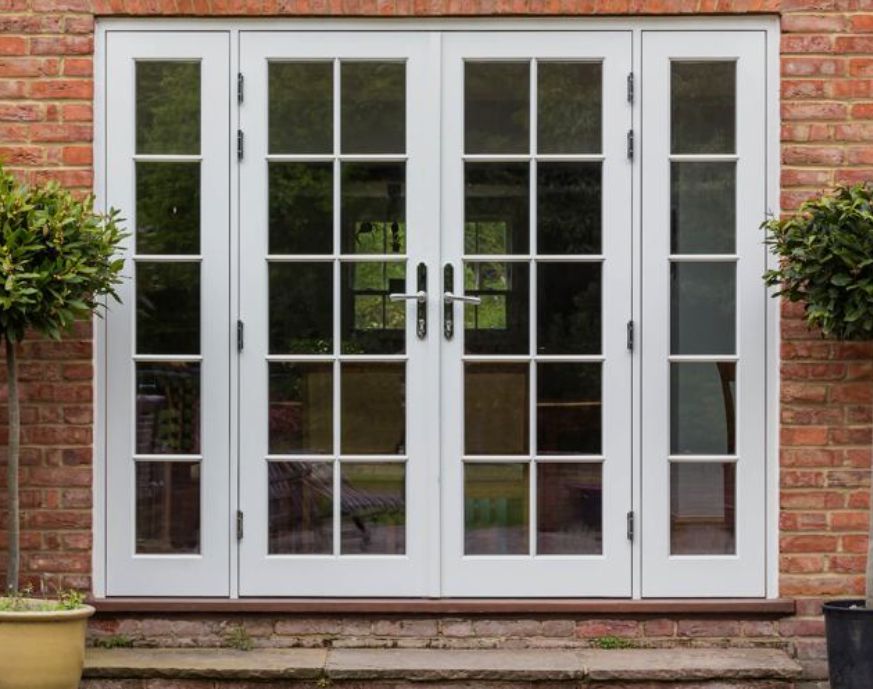
Every unit is made to measure and fitted to the highest standard, with options for period homes where slim sightlines matter.
Choose a priority and we’ll highlight the options that suit.
Two panes with a sealed, gas-filled cavity and a low-emissivity coating that reflects heat back into the room. A warm-edge spacer keeps the edges warmer and reduces condensation.
Standard choiceTwo thin panes separated by a vacuum, only around 8mm thick. Superb insulation in a very slim profile, ideal when sightlines or heritage rules matter.
Premium performanceSlimmer sealed units (12–18mm) that fit the fine profiles of traditional joinery. They trade some thermal performance for a slimmer look, so we’ll advise honestly.
Heritage detailPanes of differing thickness, often with a laminated acoustic layer, to cut airborne noise from roads and neighbours.
Calm interiorsA tough interlayer holds the glass together if it breaks. Adds security and helps with sound, popular for front doors and ground floors.
Extra protectionAround five times stronger than ordinary glass, and it breaks into small, safer pieces. Required in many doors and low-level panes.
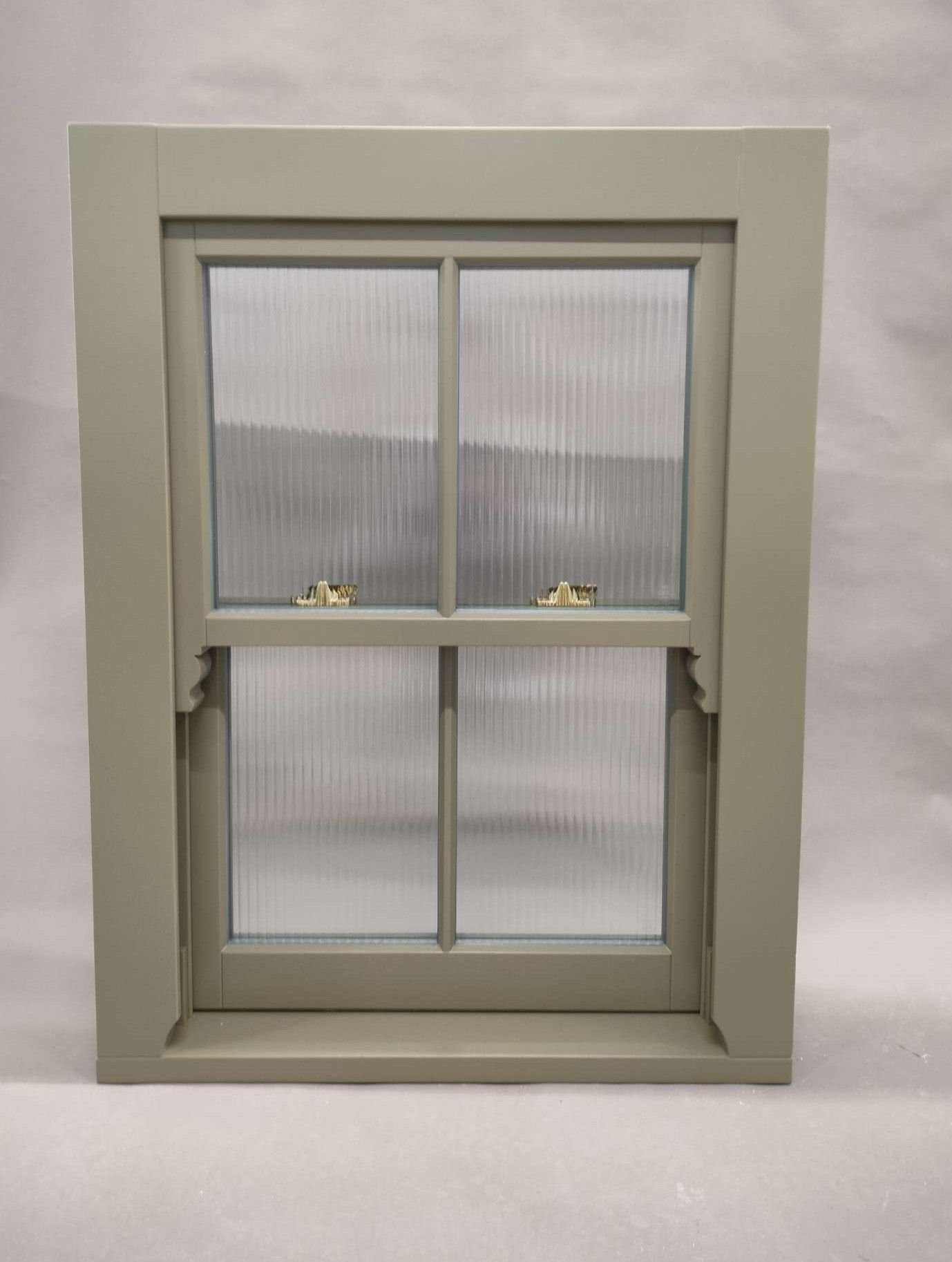
Building regulationsPrivacy without losing light. From soft frosting to fluted reeded glass, plus etched house numbers for front-door fanlights.
Light, with privacyHandcrafted stained glass in designs that echo your home’s architecture, made with a specialist artisan.
Made to orderA sealed unit is more than two sheets of glass. Each layer has a job: the coating reflects heat, the gas slows it down, and the spacer keeps the whole thing sealed.
We use warm-edge spacers rather than traditional aluminium, which reduces heat loss at the edge of the glass and helps keep condensation away.
A U-value tells you how quickly heat escapes through glass. The lower the number, the better it keeps your home warm.
Typical centre-pane values in W/m²K. A whole window, including the frame, will have a higher figure.
Yes. Slim sealed units, vacuum insulated glass and carefully proportioned glazing bars let you add modern performance without losing the period look.
Yes, acoustic and laminated glazing makes a real difference to road and city noise.
Yes. Obscure, reeded and frosted glass are available for bathrooms, hallways and doors.
Chat with our TradeCraft Quotation Assistant and get your quote started in minutes. Free site surveys for quotation purposes.
Get a Quote